
· 2 min read
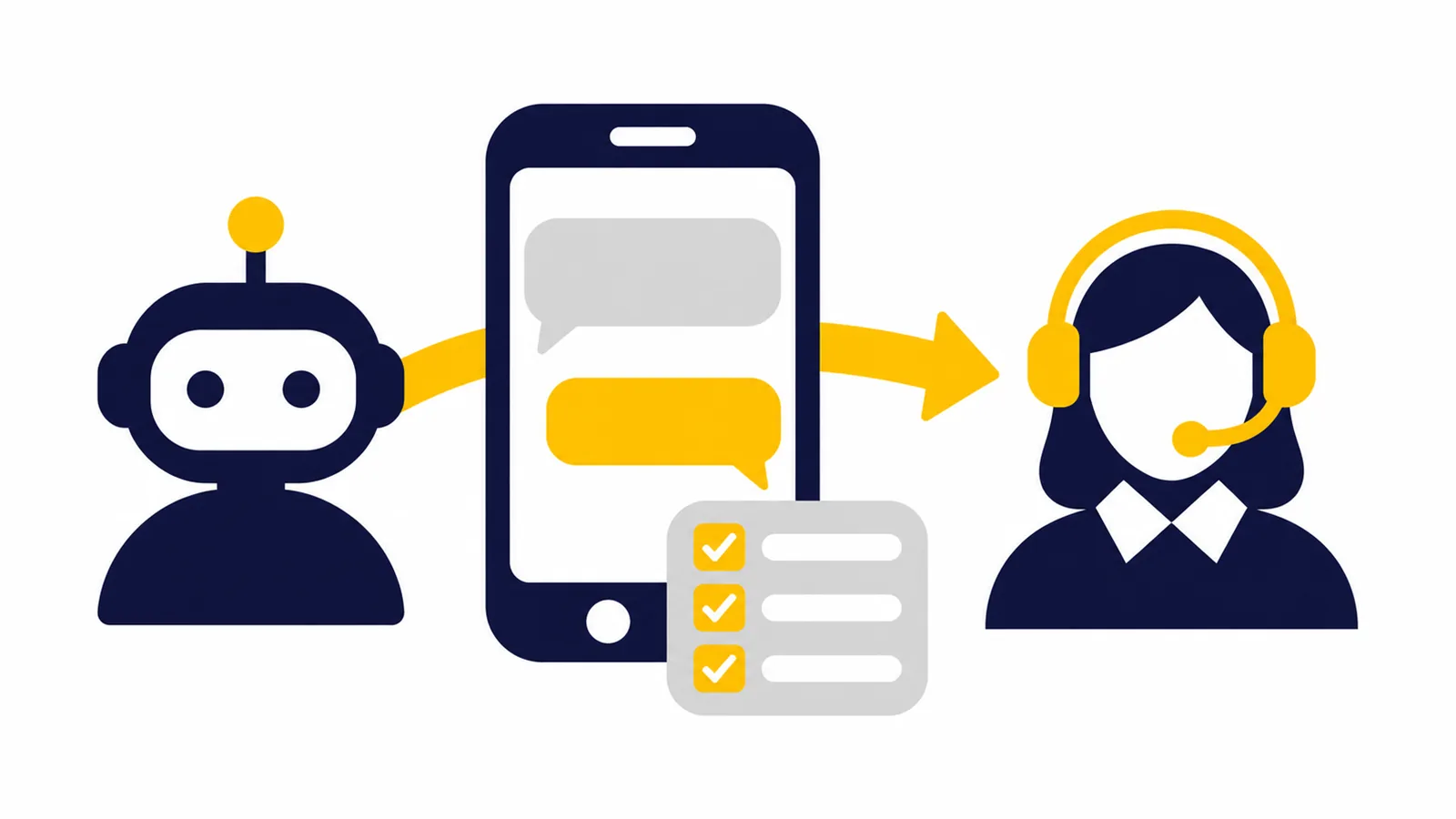
Many small businesses talk to customers on WhatsApp, and more of them want a bot to help. Here is what Meta's published rules say. Both documents we used show a last update of 23 September 2026.
You need permission first
The messaging policy says you may contact people only if they have given you their mobile number or username and you have their opt-in permission. A number on an old visiting card is not the same as permission to send offers.
Keep a note of when and how each person agreed. You must also honour requests to block you or opt out, whether made on WhatsApp or elsewhere.
The 24-hour window
When a customer messages you, a 24-hour customer service window opens. It resets with each new message from them.
| When | What you can send |
|---|---|
| Inside the 24 hours | Normal replies, including automated ones |
| Outside the 24 hours | Only approved message templates |
| Starting a new conversation | Only an approved message template |
Meta can review, approve, pause or reject templates, so do not plan a campaign around a template that is not approved yet.
Automation must have a way out
You may use automation to answer during the 24-hour window. The policy also requires a prompt, clear and direct way to reach help, for example a hand-over to a person in the chat, a phone number, email or a support form.
In practice: never leave a customer stuck in a loop.
The "AI providers" clause
The platform terms restrict companies whose main product is artificial intelligence, such as a general-purpose assistant, from using the WhatsApp Business Platform when AI is the primary function. The clause allows some exceptions, including in certain markets. Meta's list names Italy, Brazil, Turkey and the countries of the European Economic Area; India is not on it.
This is different from your business using AI as a helper, for example to answer a question about an order. If you hire a technology company to build that for you, read the clause together and ask them how they comply.
A simple, safe setup
- Collect opt-in on your order form or website, in plain words.
- Let the bot answer only the questions it can answer well: opening hours, order status, appointment times.
- Offer a person after one failed answer.
- Never let a bot promise a price, a refund or a date that a person has not approved.
- Do not send private details in chat that you would not send to the wrong number.
- Read the two documents again every few months. They change.
This summarises Meta's published rules as we read them on 29 November 2026. It is not legal advice, and local laws on marketing and personal data also apply.